
Therapy after sexual assault, in Denver and online
It might have happened last month. It might have been twenty years ago, and you’ve never told anyone. You can start here at your own pace, without telling the whole story on day one.

If you need someone tonight: The Blue Bench runs Denver’s 24-hour sexual assault hotline at 303-322-7273 (Spanish: 303-329-0031). The National Sexual Assault Hotline is 800-656-4673, any time. If you’re in danger right now, call 911.
- Sessions50 minutes, usually weekly
- Fee$175 per session
- WhereDenver office & online
- First stepFree 15-minute call
It rarely stays in one part of your life
Most survivors don’t walk in saying “I need help with my assault.” They come in because they can’t sleep, or because a new relationship suddenly feels impossible.
- Nightmares, or flashbacks set off by a smell, a song, or a time of year
- Feeling numb for weeks, then feeling everything at once
- Replaying what you could have done differently, and blaming yourself for it
- Tensing up with touch or sex, even with someone you love and trust
- Avoiding a street, a party, a person, or a whole part of town
- Not being sure what happened “counts”
It counts. You don’t need a name for what happened, a police report, or a clear memory of every detail to deserve help.
You set the pace
Therapy after an assault should never feel like it’s happening to you. Nothing gets pried open before you’re ready, and you can pause or change direction any time.
A short first call
Fifteen minutes on the phone. You can say as little as “something happened and I want to talk to someone.” That’s enough.
Getting steady
Early sessions are about right now: sleep, panic, shutting down, the stuff making daily life hard. You’ll leave with things to try that week.
Making sense of it
When you’re ready, and only then, we look at what happened and what it changed. Shame and self-blame usually get a lot of room here.
Taking your life back
Trust, intimacy, your body, the way you see yourself. The later work is about the parts of life the assault took over.
Some people never go through the details of the assault, and still get better. Telling the story isn’t the price of admission.
Last month, or years ago
If it was recent, there may be practical decisions in front of you: a medical exam, whether to report, what to tell the people around you. Those choices are yours, and therapy can be a place to think them through without anyone pushing. The Blue Bench also has advocates who can go with you to the hospital or help with the legal side, and that work fits fine alongside therapy.
If it was a long time ago, it often comes back when something else changes. A new relationship. Becoming a parent. A news story, a trial on TV, the age your own kid just turned. Plenty of people first come in fifteen or thirty years later. It’s not too late, and it’s not a sign you handled it wrong.
Sexual assault therapy in Denver and across Colorado
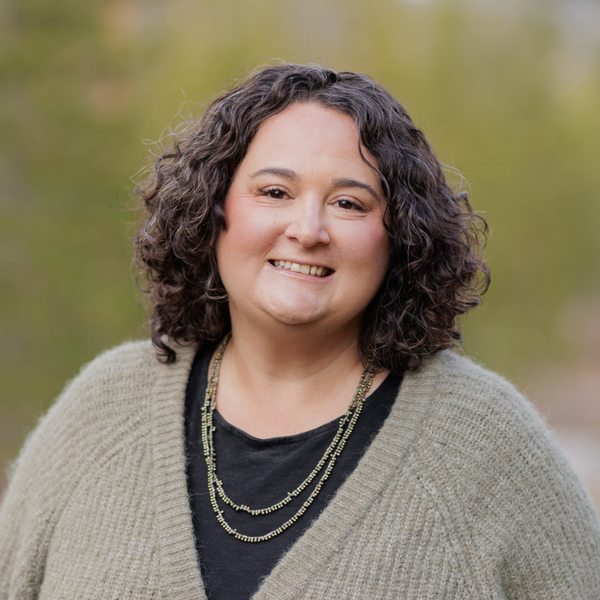
Jillian Corpora sees survivors in person at our Denver office near Glendale and online anywhere in Colorado. A lot of her work is with the inner critic, the voice that says it was your fault or that something is wrong with you, and with rebuilding trust in yourself and the people around you. If body-based work could help down the road, Full Bloom also has therapists trained in EMDR and the Safe and Sound Protocol.
We see adults 18 and older, of any gender. Sessions are 50 minutes and $175. We’re out of network with insurance and give you a superbill you can submit for possible reimbursement. Appointments run Monday to Friday from 8am to 8pm and weekends from 9am to 5pm. For trauma more broadly, see our trauma therapy page.
What people ask before starting
No. You decide what to share and when. Plenty of people spend the first sessions on sleep, anxiety, or relationships before they say anything about the assault itself, and some never go into detail at all.
No. Reporting is your decision, and therapy doesn’t depend on it. What you tell your therapist is confidential, with a few narrow legal exceptions that we’ll go over with you in the first session.
No. Many people come in decades later, often when a new relationship, a pregnancy, or a news story brings it back up. Therapy can help whether it was last month or thirty years ago.
You don’t have to settle that before you call. A lot of people aren’t sure at first, especially when it involved a partner, someone they knew, or alcohol. If it’s still affecting you, it’s worth talking about.
Yes. We work with adult survivors of any gender, and we see adults 18 and older only.
Yes. We see clients by secure video anywhere in Colorado, and some people find it easier to start from their own couch. You can switch to in person in Denver later if you want to.
We’re out of network, so we don’t bill insurance directly. We give you a superbill after each session, and many clients get part of the cost back through their out-of-network mental health benefits.
Who to see for this
You can start with fifteen minutes
A free consultation by phone, with no details required. In person in Denver or online anywhere in Colorado.
Schedule a Free Consultation