
Disordered eating therapy for when food runs the day
Outpatient therapy in Denver and online across Colorado for restriction, bingeing, chronic dieting and body image. You don’t need a diagnosis to start.

- FormatWeekly outpatient sessions
- ApproachHAES-aligned, trauma-informed
- WhereDenver & online statewide
- First stepFree 15-minute call
What disordered eating can look like
Most of it never shows up on a scale or in a diagnosis. If food or your body is causing you distress, that’s reason enough to get help.
Restriction
Limiting what or how much you eat out of fear, guilt or a need for control. It’s often invisible to the people around you.
Binge eating
Episodes of eating that feel out of control, frequently followed by shame, secrecy, or trying to make up for it.
Food preoccupation
So much mental energy spent on food, calories, weight or your body that there’s little room for anything else.
Body image distress
Persistent shame or vigilance about your body’s size or shape, and the plans you cancel because of it.
Chronic dieting
A long history of starting and stopping diets, and the sense of failure that cycles along with them.
Compensating
Exercise as punishment, laxatives, skipping meals after eating: anything aimed at undoing food.
Disordered eating usually has less to do with food than it looks. Food and your body come to stand for other things: control, safety, comfort, sometimes punishment. It is often tangled up with anxiety, perfectionism, trauma, and the wish for one part of life to feel manageable. We work with all of that, along with the behaviors you can see.
Food rules you might recognize
Nobody hands these to you on a list. They pile up over years, from diets and family dinners and comments you heard once at eleven years old. See how many sound familiar.
- No eating after seven.
- If I eat one, I’ll eat the whole box.
- I have to earn breakfast.
- Start over on Monday.
- Eat less than everyone else at the table.
- Never keep chips in the house.
- I already blew it today, so it doesn’t matter.
- Fruit is fine. Bread is not.
- Order the salad when we go out.
- The scale decides what kind of day it is.
- Dessert only if I skipped lunch.
- Don’t be the first one back for seconds.
- Run off whatever I ate last night.
- Hungry means I’m doing it right.
- If I can’t log it, I shouldn’t eat it.
- I’ll relax about food once I lose ten pounds.
- Carbs are for days I worked out.
Find where it came from
Most rules have a history: a diet that worked for a month, a parent’s comment, a season when control felt necessary. Naming the origin takes away some of its authority.
Ask what it’s protecting
Rules usually have a job. They keep anxiety down, or hold off the feeling of being out of control. We take that job seriously before asking the rule to retire.
Loosen it, at your pace
With support, you test a rule in small ways and see what actually happens. Some fade quickly. Others take months, and that’s a normal part of recovery.
Where outpatient therapy fits
Eating disorders affect people of every body size, age and gender. You don’t have to look sick to be struggling.
What we offer is outpatient therapy: one 50-minute session a week, sometimes more often at the start. That’s the right level of care for many people, including many in recovery from an eating disorder, people working through binge eating, and people coming off decades of dieting. We take a Health at Every Size approach, so weight loss is never a treatment goal and progress isn’t measured by your body.
When weekly therapy isn’t enough
Some eating disorders need medical monitoring, and outpatient therapy alone isn’t safe enough. Higher levels of care exist for that, including intensive outpatient, partial hospitalization and residential programs with medical and nutrition staff.
Please see a doctor soon if you’re fainting or dizzy, purging often, losing weight quickly, noticing a racing or irregular heartbeat, or eating very little for days at a time. You can still reach out to us. We’ll help you work out the right level of care, and refer you if it isn’t us.
If you’re in crisis or thinking about hurting yourself, call or text 988 to reach the Suicide & Crisis Lifeline, any time of day.
What therapy here includes
Weight-inclusive therapy
Sessions focused on the thoughts, feelings and history underneath the patterns, drawing on Health at Every Size and Intuitive Eating.
HAES & Intuitive Eating →Trauma and anxiety care
When eating is tied to trauma or anxiety, we work on those directly, including with EMDR where it fits.
Trauma therapy →A wider team
We often collaborate with non-diet dietitians and physicians, and we’re glad to coordinate with providers you already see.

“We get curious about where your food and body rules came from, what they’ve been protecting you from, and what you’d like in their place.”
Natalie Siegel, LPC · Read her bio →
Before you get in touch
No. We see people with diagnosed eating disorders, people who have dieted for decades, and people who are simply worn out by how much room food takes up in their head. You don’t need a diagnosis to deserve support.
If your relationship with food or your body is causing you real distress, that’s enough. Many people we work with don’t fit a textbook diagnosis and still benefit a great deal from this work.
Often it is, especially alongside a doctor and a dietitian. Some eating disorders need medical monitoring or more structure than weekly sessions, through intensive outpatient, partial hospitalization or residential programs. If that’s the case, we’ll tell you plainly and help you find the right level of care.
Health at Every Size means we don’t make weight loss a goal of treatment, we don’t weigh clients in session, and we don’t use language that equates health with body size. We focus on behaviors, relationships and wellbeing. Our HAES and Intuitive Eating page explains more.
Yes. We often collaborate with dietitians who share a HAES and non-diet approach. If you’re not working with one yet and want to, we can help connect you with someone.
Yes. Our therapists see clients by secure video anywhere in Colorado, and in person at our Denver office. Many clients find it easier to talk about food from their own home.
There isn’t a standard timeline. Some people notice food taking up less room within a few months. Patterns that have been around for many years usually take longer to loosen. We check in regularly about what’s changing, so you’re never guessing.
Who to see for this


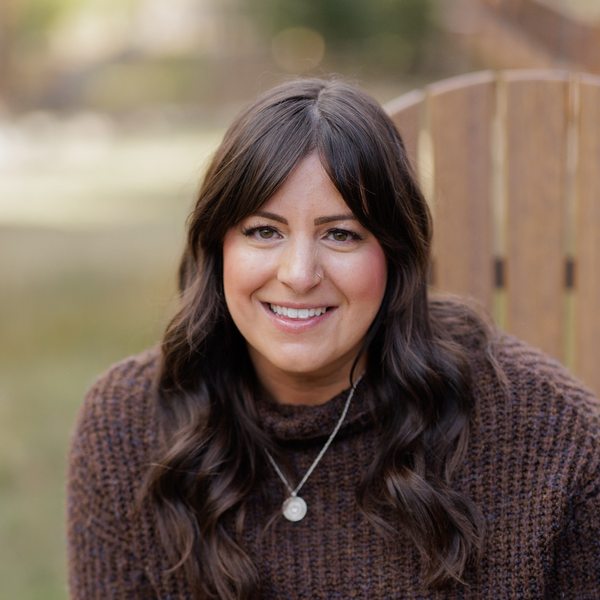
A different relationship with food is possible
Book a free 15-minute consultation and tell us a little about what’s going on. We’ll be honest about whether outpatient therapy is the right fit, and who on our team might suit you.
Schedule a Free Consultation