
Couples therapy for when you keep having the same fight
Every couple fights. What matters is whether you can get through it without leaving damage behind. We help you see your pattern clearly enough to change it, together.
- Sessions50 minutes, both partners
- Fees$190 to $215
- WhereDenver, Boulder & online
- First stepFree 15-minute call
Different topics, same dance
Most stuck couples aren’t really fighting about the dishes or the in-laws. One partner gets scared of losing connection and reaches harder. The other feels like they’re failing and backs away to keep the peace. Each move makes the other one worse.
Couples therapy slows that loop down until you can both see it. Once you can name the cycle together, it stops running you.
You don’t need to be in crisis
Some couples come in close to the edge. Others are doing fine and want to stay that way.
Communication breakdown
The same argument over and over: different topics, same pattern underneath, and nobody wins.
Trust repair
Rebuilding after infidelity, a significant breach, or years of small disconnections.
Life transitions
A new baby, a career change, a move: the kind of stress that exposes cracks that were already there.
Growing apart
Feeling more like roommates than partners, and wanting to find your way back.
The methods we lean on
Most of our couples work draws on one or more of these, depending on the couple and the therapist.
The Gottman Method
One of the most rigorously researched approaches to couples work. It helps you understand the patterns under your conflict and build something more durable.
About Gottman →Emotionally Focused Therapy
Grounded in attachment science. We get underneath the cycle to the fear and longing driving it.
About EFT →The Enneagram
A shared language for why each of you reacts the way you do, which makes the old fight much easier to interrupt.
About the Enneagram →Most couples wait six years after problems start before getting help. The ones who come early have the most room to work with.
Gottman Institute researchThe first few weeks
A free 15-minute call
Either of you can make it. We’ll talk through what’s going on and match you with the right therapist.
A joint session
Your therapist meets you together and hears how each of you sees the relationship.
One individual session each
A chance to say what’s hard to say with your partner in the room.
A plan, then the real work
You get an honest picture of your patterns and a plan, then weekly sessions together.
Couples therapy in Denver, Boulder and online
We see couples in person at our Denver office and at our Boulder office, and by secure video anywhere in Colorado. Online sessions work well for couples too. Some couples join from the same couch; others log in from two different places when schedules or travel make that easier.
Couples sessions are 50 minutes and run $190 to $215, depending on the therapist. We’re out of network with insurance and provide superbills, though most insurance plans don’t reimburse couples therapy, so it’s worth checking with yours. Appointments run from 8 a.m. to 8 p.m. on weekdays, plus some weekend times, so an after-work session is usually easy to find.
Not sure your partner will come? Book the free 15-minute consultation on your own. We can talk through what’s going on, and if couples work isn’t possible right now, individual therapy can still change a lot about how you show up in the relationship.

“Once you can name the loop together, it stops running you.”
Kirsten Adorno, LPC, MFTC · Read her bio →
What couples ask us before starting
The Gottman Method is an evidence-based approach to couples therapy developed over 40 years of research. It provides a framework for understanding relationship dynamics, identifying destructive patterns, and building healthier ways of connecting.
Yes, for couples therapy both partners attend together. In some cases we may also schedule individual sessions as part of the assessment process. If only one partner is willing to come, we can still offer individual therapy to support that person's growth.
Couples therapy often takes longer than individual therapy because relationship patterns run deep. Most couples see meaningful progress within 20 to 30 sessions. Some finish sooner; others choose to continue longer.
It depends on many factors, including the severity of the issues, whether both partners are willing to do the work, and whether there are safety concerns. We'll give you an honest assessment after the initial sessions.
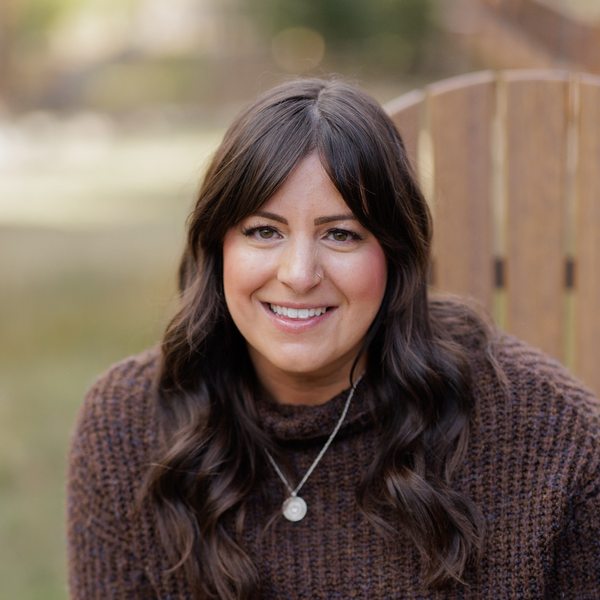
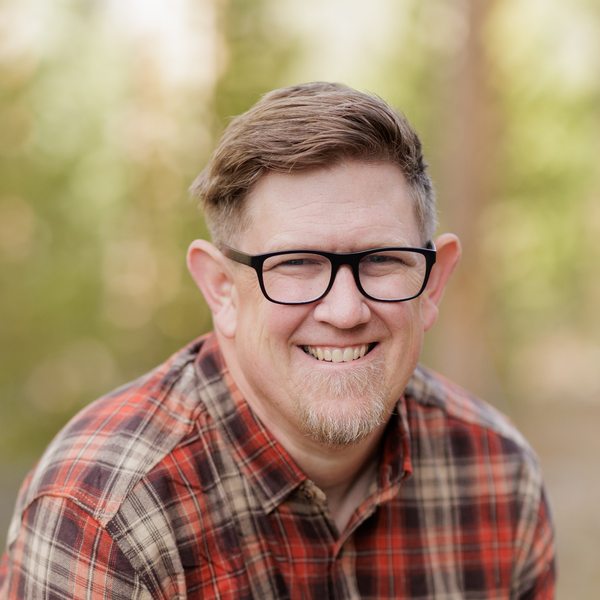
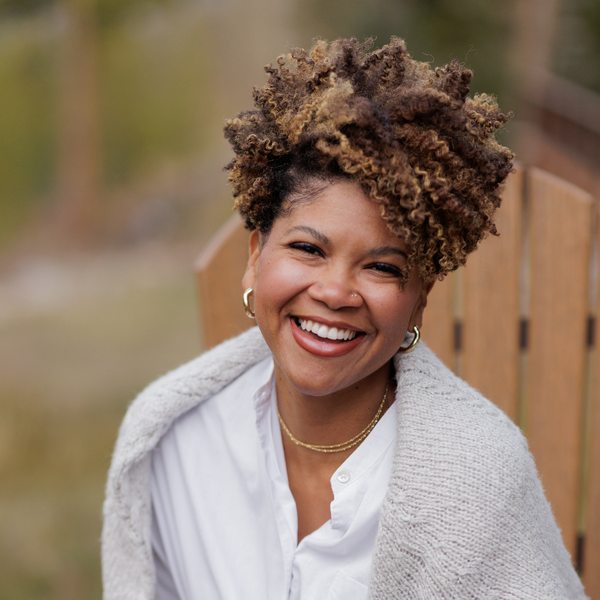
Who to see for this
The best time to come is before a crisis
We see couples in real trouble and couples who are mostly fine and want more. In person in Denver and Boulder, or online across Colorado.
Schedule a Free Consultation