
Religious trauma and faith deconstruction therapy in Colorado
You might still be in church every Sunday, quietly unsure what you believe. You might have left ten years ago and still flinch at certain songs. This is work Mark Whitney knows from the inside, online anywhere in Colorado.
- Sessions50 minutes, usually weekly
- Fee$200 per session
- WhereOnline across Colorado
- First stepFree 15-minute call
It shows up in places that seem unrelated
People rarely come in saying “I have religious trauma.” They come in for anxiety, or a marriage that feels stuck, and the church comes up by the second session.
- A fear of hell that still hits at 3 a.m., even though you don’t believe in it anymore
- Shame around sex, your body, or what you want, often learned from purity culture
- Grief for a community you lost, along with the certainty and the casseroles
- Family who treat your questions like rebellion, or like something to pray about
- Not trusting your own judgment after years of deferring to someone else’s
- A constant low hum of worry that you’re doing life wrong
There’s no right ending
Faith deconstruction isn’t a single path, and therapy here doesn’t have a destination in mind for you.
Staying, differently
Some people keep their faith and drop the parts that were doing harm. That can mean a new church, a quieter practice, or the same pew with very different beliefs.
Leaving
Some people walk away entirely and need help with what comes next: the grief, the family fallout, and building a sense of meaning from scratch.
Still sorting it out
Plenty of people are somewhere in the middle and may stay there a while. That’s allowed.

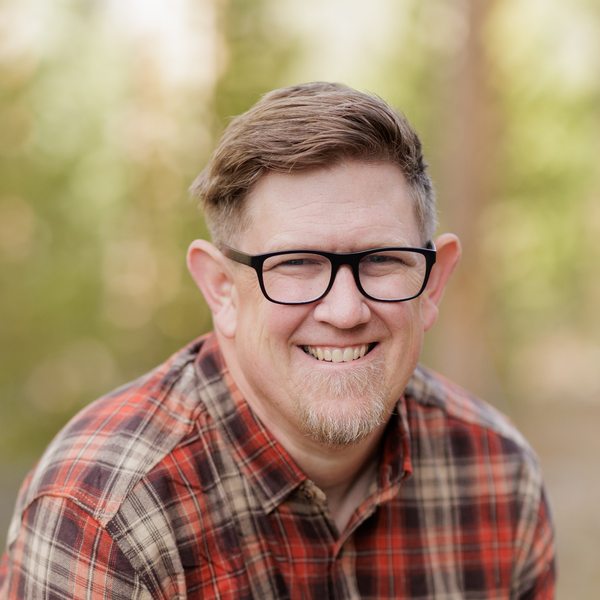
“I’ve been through this transition myself, and I offer a non-judgmental space wherever you are in it.”
Mark Whitney, LPC, ACS · Read his bio →
Slow, curious, and on your terms
Early on, the work is often about the fear and shame that still run the show, even when your beliefs have changed. Part of you may still believe what you were taught. We get curious about that part instead of arguing with it, and parts work can help here.
Later the work tends to turn practical. How to talk to your parents. What to tell your kids. How to make friends when church was your whole social life. What you actually value, now that you get to decide.
When fear responses are stuck in the body, Mark also uses EMDR and the Safe and Sound Protocol.
Religious trauma therapy anywhere in Colorado
Mark Whitney sees clients online, so you can work with him from Colorado Springs, Grand Junction, Fort Collins or anywhere else in the state. Individual sessions are $200.
He also sees couples, at $215 a session. That matters when one partner changes their beliefs and the other doesn’t, which can be one of the hardest things a marriage goes through. We’re out of network and provide a superbill for possible reimbursement.
What people ask about religious trauma therapy
No. Some people keep their faith and change their relationship to it. Others leave. Therapy here follows where you want to go.
No. The goal isn’t to move you toward or away from religion. It’s to help you sort out what you believe and feel less ruled by fear and shame along the way.
It isn’t a formal diagnosis. The effects are real, though: anxiety, shame, panic, and trouble trusting yourself are things therapists treat every day, whatever the cause.
Yes. Mark sees couples, including couples where one partner is deconstructing and the other isn’t.
Yes. Mark sees clients online only, anywhere in Colorado. Many people find it easier to talk about this from home anyway.
We’re out of network, so we don’t bill insurance directly. You get a superbill after each session to submit for possible reimbursement.
Who to see for this
You can start with fifteen minutes
A free phone consultation, with no need to explain your whole history. Online anywhere in Colorado.
Schedule a Free Consultation