
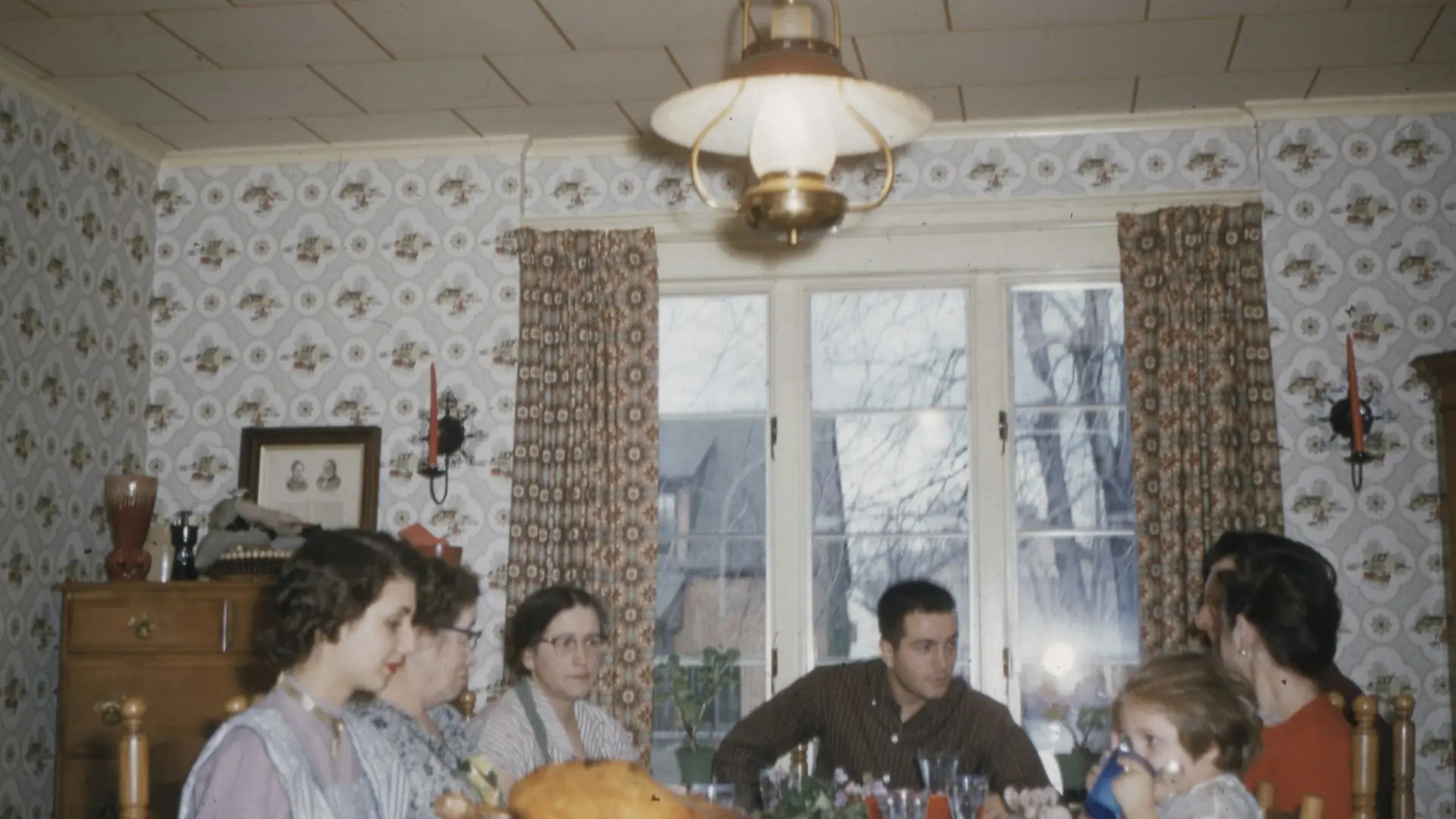
You’re a grown adult. You pay rent, maybe a mortgage. You run meetings. You’ve kept houseplants alive for years.
Then you walk into your parents’ kitchen on December 23 and within forty minutes you’re rolling your eyes, sulking in your old bedroom, and texting your sister “SHE’S DOING IT AGAIN.”
Family therapists see this all the time, and there’s a decent explanation for it. A family works like a system, and systems pull everyone back into their old positions. You walk in the door and the family quietly reorganizes itself into the shape it had twenty years ago. Including you.
It’s gravity, not a character flaw.
Why It Happens So Fast
The setting is a cue. Same house, same smells, same chair at the table. Your nervous system recognizes the room before your adult brain catches up.
Everyone is stressed. Travel, money, cooking for twelve, the pressure for this year to be a good one. Stressed people fall back on old habits, and that includes your parents.
And the roles were useful once. If you were the peacekeeper, the family probably still counts on you to smooth things over. If you were the one who messed up, people may still be half-waiting for proof. Roles stick because the whole system leans on them.
Before You Go
Decide what you want from the visit. Not what you hope your family will finally understand. What you want. Time with your grandma, a long walk with your dad, getting through Christmas Eve without anyone discussing your weight. Pick one or two things you control.
Plan your exits. Stay somewhere else if you can afford it. Bring your own car. Know which errand you can volunteer for when you need forty-five minutes alone. Exits aren’t rude. They’re what lets you stay kind.
Agree on a signal with your partner. If you’re bringing one, decide ahead of time how you’ll say “I need a break” across a crowded room. Partners often see the regression before you do, and it helps if they’re allowed to point it out.
Keep expectations honest. If your dad has made the same comment about your career every holiday since 2011, he’ll probably make it this year. Being surprised by it again is optional.
While You’re There
Notice when you’ve slid into an old role. That’s most of the work. Once you can see it (“oh, I’m managing everyone’s mood again”), you get a choice you didn’t have a second ago.
Then answer as the person you are now instead of the one they remember. Calm and short. “I know you’d love for me to move back to Ohio. I’m really happy in Denver.” Then change the subject or go refill your drink. You don’t need them to agree with you. You need to stay steady.
It’s also fine to have a short fuse and a lovely time in the same visit. Families are like that.
When It’s More Than Annoying
For some people, going home isn’t about eye rolls. It’s about real harm: a parent who drinks, cruelty dressed up as teasing, old abuse nobody mentions. If that’s you, it’s okay to visit for a shorter time, or not at all. Distance from a family member is a hard decision and sometimes a healthy one, and it deserves more support than a blog post can offer.
Kelsey Bennett on our team works with a lot of adults sorting out complicated relationships with their parents, including boundaries, low contact and estrangement. I see plenty of it in my own practice, too, through a family systems lens. If the holidays keep knocking you sideways, starting individual therapy in November gives you a few sessions before the trip. Or, once the dust settles, consider bringing the family in for family therapy.
