
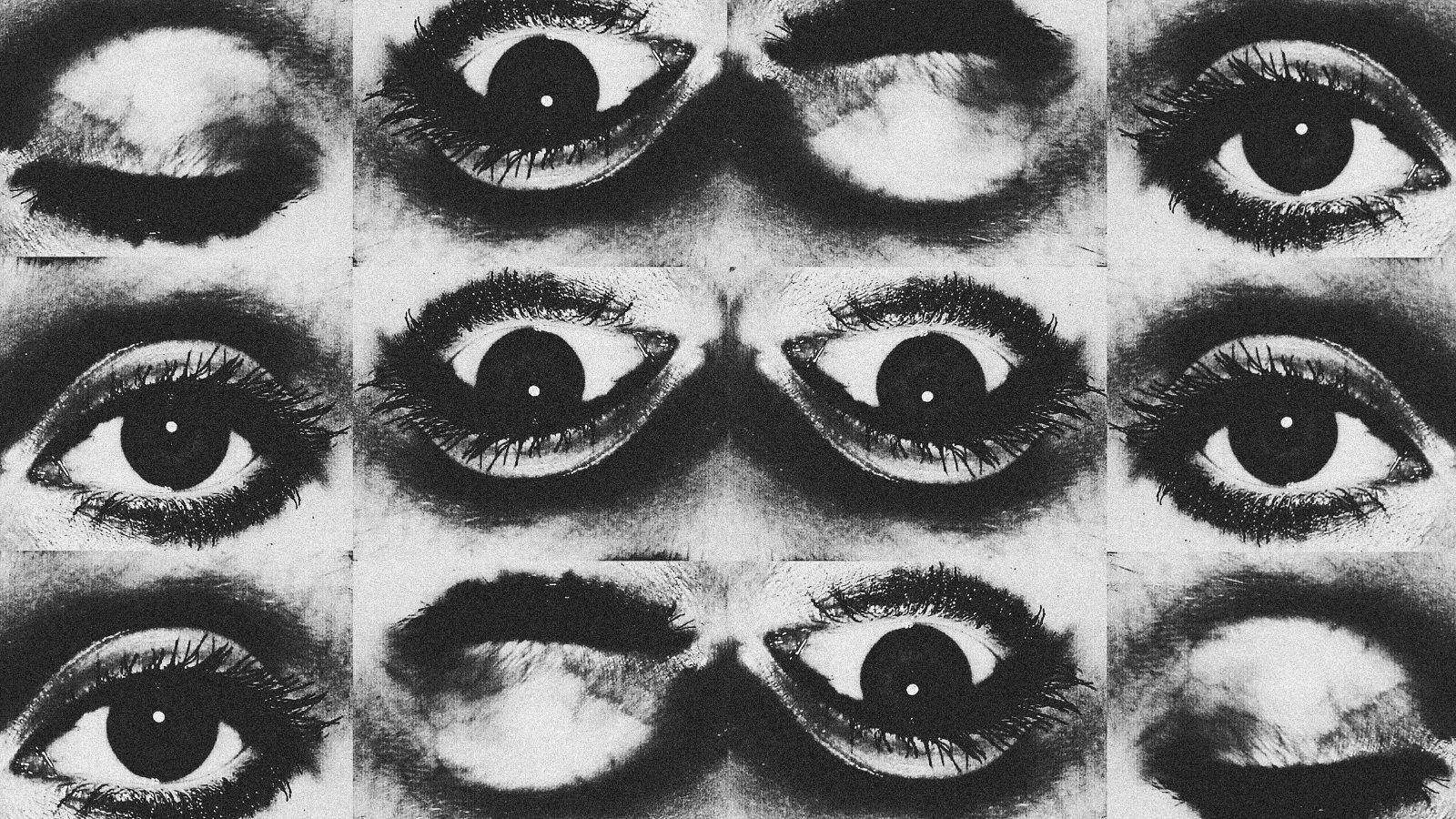
EMDR has gone from a niche trauma modality to one of the most well-researched treatments in mental health, and for good reason. But there's still a lot of confusion about what it actually involves. If you've heard about it and wondered whether it might be right for you, this is for you.
What Is EMDR, Exactly?
EMDR stands for Eye Movement Desensitization and Reprocessing. Developed in the late 1980s by Francine Shapiro, it helps the brain process painful memories that have gotten "stuck," the ones that still feel present and threatening long after the event has passed.
EMDR uses bilateral stimulation (typically guided eye movements, taps, or tones) to help the brain reprocess these memories. The goal isn't to erase what happened. It's to help the memory feel like the past rather than something you're still living through.
The World Health Organization, the American Psychological Association, and the Department of Veterans Affairs all recognize EMDR as an evidence-based treatment for PTSD. Its applications have expanded significantly beyond trauma to include anxiety, depression, grief, phobias, and more.
What Does an EMDR Session Actually Feel Like?
This is probably the question we hear most, and the honest answer is that it varies. Some people describe it as surprisingly calm. Others find it intense. Most say it's nothing like what they expected.
A session begins with grounding and orienting. Your therapist helps you identify a target memory, establish internal resources, and then guides you through sets of bilateral stimulation while you notice what arises: images, sensations, emotions, thoughts. You don't have to narrate everything out loud. The processing happens largely internally.
Many clients notice shifts faster than they anticipated, sometimes within just a few sessions. But complex trauma can take longer, and your therapist will always move at a pace that respects your nervous system.
Is EMDR Right for You?
EMDR can help with a wide range of experiences, not only single-incident trauma. At Full Bloom Counseling, our EMDR-trained therapists work with people dealing with childhood wounds, relationship trauma, anxiety with unclear origins, grief, phobias, and chronic stress that talk therapy alone hasn't been able to fully shift.
That said, EMDR isn't the right fit for everyone in every moment. If you're in a highly dysregulated state, your therapist may recommend building more stabilization first. That isn't a delay. It's good clinical care.
The goal isn't to forget what happened. It's to make peace with the fact that it did.
What EMDR Is Not
EMDR is not hypnosis. You are fully conscious and in control throughout. Your therapist cannot implant memories or direct your experience. You also won't be asked to relive events in graphic detail. The approach is specifically designed to process without requiring that kind of retelling.
EMDR Therapy in Denver and Online
Our EMDR-trained therapists see clients in person at our Denver office and online throughout Colorado. If you're curious about whether EMDR might help with what you're carrying, schedule a free consultation and we'll help you figure out if it's the right fit.
