
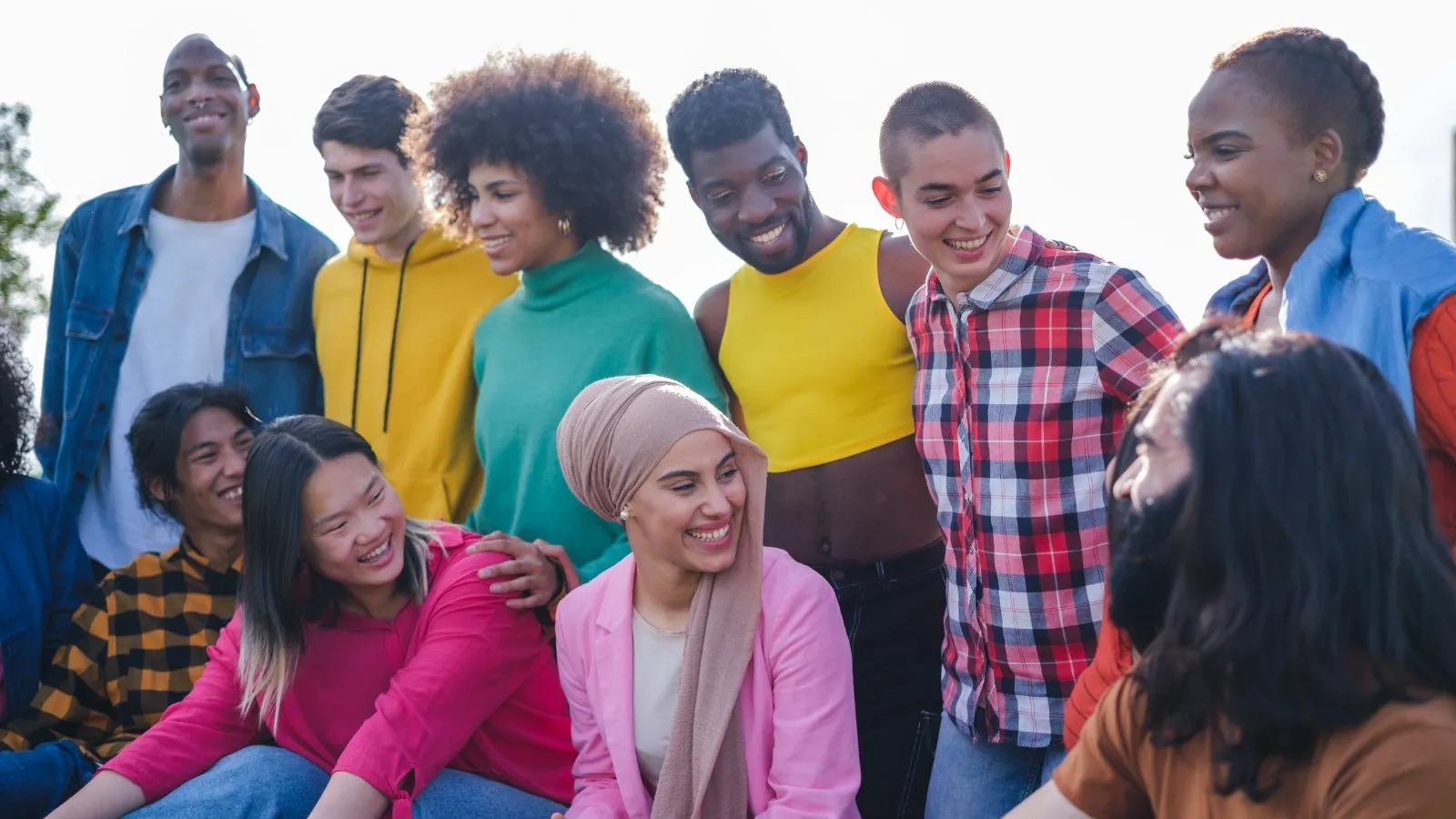
Therapy has a history of centering one kind of human experience. For a long time, and in many practices still, the assumptions baked into therapeutic models were largely those of white, Western, middle-class life. For clients whose identities, cultural backgrounds, or life circumstances fall outside those norms, the result is often a subtle but persistent feeling that you have to translate yourself in order to be helped. That translation is exhausting, and it shouldn't be necessary.
What Culturally Responsive Therapy Actually Means
Culturally responsive therapy isn't a single modality or a checkbox. It's an orientation, one that recognizes the person across from you doesn't arrive in the therapy room detached from history, context, and community. Every person carries a cultural inheritance: the values, stories, wounds, and wisdom of the family systems and communities they came from.
A culturally responsive therapist doesn't ask you to leave any of that at the door. They understand that what looks like a clinical presentation, whether anxiety, depression, difficulty in relationships, or unclear identity, is often inseparable from that larger context. Healing that doesn't account for the context is healing that doesn't fully hold.
This also means recognizing that some of what brings people to therapy isn't pathology. It's the entirely reasonable response to genuinely difficult circumstances: systemic racism, immigration stress, intergenerational trauma, the disorientation of navigating between multiple cultural worlds. Naming that clearly matters.
Identity, Belonging, and the In-Between
One of the experiences I work with most often is the particular difficulty of living in between: between cultures, between generations, between the person your family needs you to be and the person you're becoming. That in-between-ness is real, and it carries real weight. It can look like chronic low-level anxiety. Like difficulty knowing what you actually want, separate from what you're supposed to want. Like a vague but persistent sense of not quite belonging anywhere.
Therapy offers a space to explore those questions without needing to resolve them into a clean answer. Who am I? What do I owe my family and culture of origin? What do I want to carry forward, and what do I want to put down? These questions don't have quick answers, but sitting with them deliberately, and with support, is itself a meaningful act.
Navigating Relationships Across Difference
Culturally responsive therapy is also about relationship, both the therapeutic one and the relationships clients navigate in their lives. Couples and families who come from different cultural backgrounds, or who are navigating differences in class, religion, education, or worldview, often benefit from a therapist who can hold multiple frameworks at once without privileging any single one.
This doesn't mean pretending differences don't matter. It means exploring how they shape expectations, communication styles, and assumptions in ways neither partner may have made fully conscious. Named differences are workable. Unnamed ones tend to become recurring conflict.
Working Together
I offer individual and couples therapy at Full Bloom Counseling in Denver, bringing a culturally responsive and relational lens to every session. My work is also informed by my own experience of navigating multiple cultural identities, which means I don't just understand this work theoretically.
If you're looking for a therapist who will meet you as a whole person rather than a set of symptoms, reach out for a free consultation. Everyone deserves a therapy space that actually fits.
