
If you’ve been in therapy before, or you’re researching options for the first time, you’ve probably run into a lot of approaches that sound similar until you’re actually in the room doing them. Brainspotting tends to surprise people. It’s quieter than they expected, more physical than they expected, and often more effective than they expected for things talk therapy hadn’t been able to touch.
I’ve been a Brainspotting practitioner for several years, and the questions I get most often from new clients are pretty consistent: What actually happens? Will I have to talk about everything? Is this going to feel weird? Here’s what I tell them.
“Most clients describe Brainspotting as the first time therapy felt like it was working at the right level: not just understanding what happened, but actually releasing it. That’s the difference between processing an experience and metabolizing it.”
Kelli Ruhl, LPC, NCC, LAC, Certified Brainspotting Practitioner
The Short Answer: What Brainspotting Actually Is
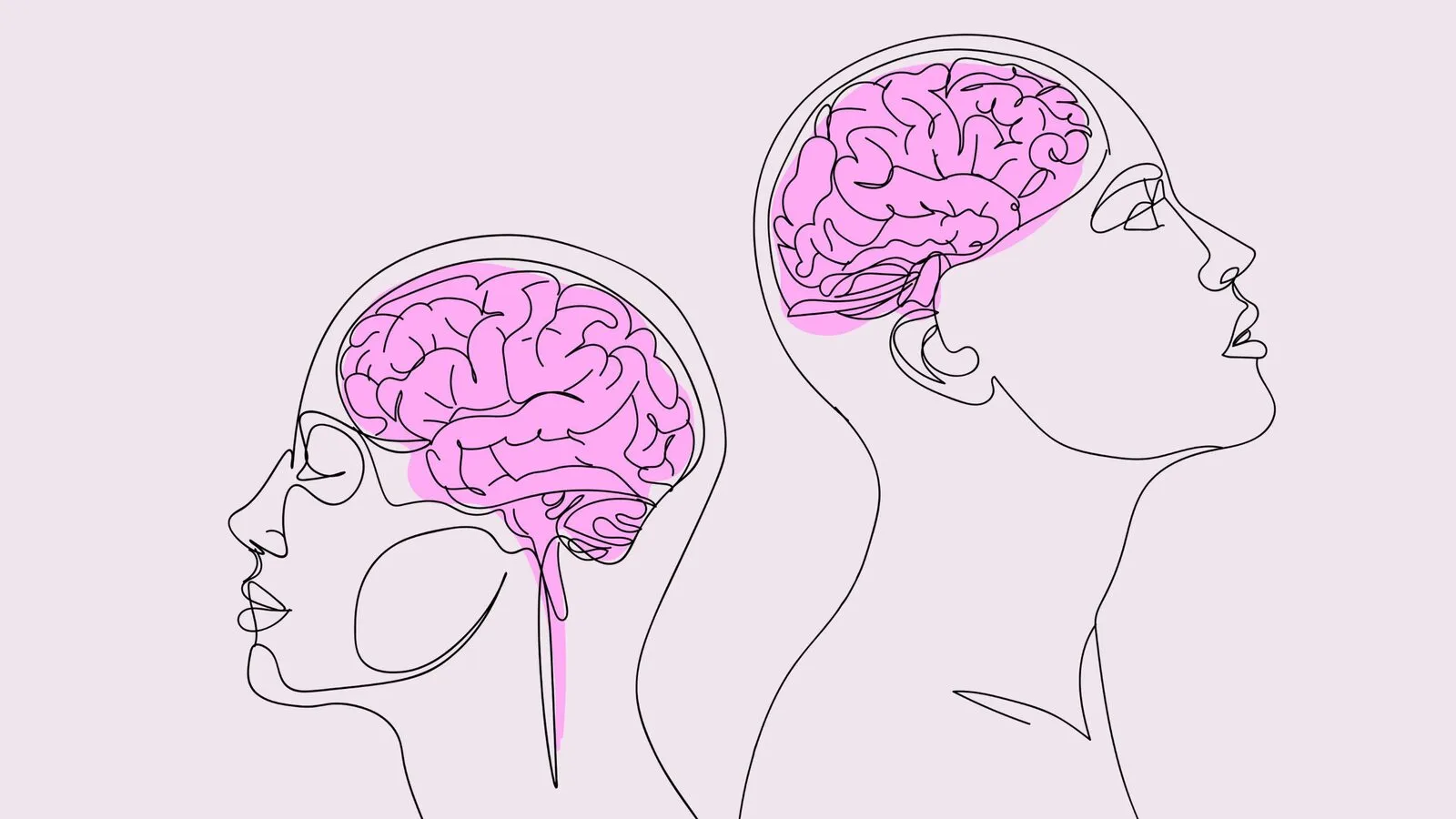
Brainspotting is a brain-body therapy developed by Dr. David Grand in 2003. The core insight is that where you look affects how you feel, and that specific eye positions (“brainspots”) correspond to where trauma and stress are stored in the subcortical brain. By finding and holding a brainspot while staying with a difficult experience, the nervous system can process and release what it’s been carrying.
It works below the level of language. You don’t need to narrate everything that happened to you. You don’t need a clear memory. You don’t need to put what you’re feeling into words. That’s exactly why it reaches things talk therapy sometimes can’t, because so much of what we carry from difficult experiences was never stored in words to begin with.
What Actually Happens in a Session
A Brainspotting session usually starts with a brief check-in and picking something to work on, whether a feeling, a memory, a physical sensation, or a situation that activates you. Then we find a “brainspot”: a specific point in your visual field where you notice the most activation or resonance with whatever you’re processing.
Once we find it, you hold your gaze there and let whatever wants to come up, come up. I’m present and attuned throughout, so this isn’t you lying in silence alone. Biolateral sound, meaning music or tones delivered through headphones, is often used to support bilateral brain stimulation. Processing can look like images, emotions, body sensations, insights, or simply a gradual shift in how activated the issue feels.
Sessions are typically 50 to 75 minutes. The processing continues after you leave, often for a day or two. That’s normal, and it’s part of how the therapy works.
Who Brainspotting Helps
Brainspotting is particularly effective for trauma, both single-incident events and the more diffuse, relational kind that complex PTSD involves. But its applications go broader than trauma alone. It’s used effectively for:
- Anxiety and panic that hasn’t responded to other approaches
- Performance anxiety (athletes, musicians, public speakers)
- Grief and loss
- Attachment and relational wounds
- Physical symptoms with emotional components
- Creative blocks and dissociation
It’s a good fit for people who feel like they’ve talked about their issues plenty but haven’t been able to shift them. And it’s especially useful for people who find verbal processing difficult, since so much of the work happens without words.
How It Differs from EMDR
Both Brainspotting and EMDR use the connection between eye position and nervous-system processing, and both are effective trauma therapies. The key difference is that EMDR uses bilateral eye movements (back and forth) while Brainspotting uses a fixed gaze point. EMDR is more structured, with defined phases; Brainspotting is more open and follows the client’s own processing. Some people respond better to one than the other, and some therapists, including several at Full Bloom, are trained in both.
If you’re trying to decide between them, a consultation is the best way to figure out which might be the better starting point for what you’re working through.
Getting Started With Brainspotting in Denver
Our Brainspotting therapy at Full Bloom is offered by certified practitioners in Denver and online across Colorado. A free 15-minute consultation is the right starting point. We can talk about what you’re working on, whether Brainspotting makes sense, and what the process would look like for you specifically.
